Local Marine Wildlife Spotting Guide for Macduff & the Moray Firth
April 2026
If you're looking to experience the wild side of Scotland’s coastline, Macduff is an underrated gem. Tucked along the Moray Firth, this small harbour town where we are based offers some of the best local marine wildlife encounters in the country. From dolphins and seals to puffins and rock pool creatures, the waters and cliffs around Macduff are rich with life, often just a short walk, hike or boat ride away.
Whether you're a local, a keen photographer, or a visitor touring Scotland, this guide is designed to help you spot the most exciting wildlife on the northeast coast of Scotland, at the right time, and in the right place. We have included a downloadable guide and tide chart links to help you plan your adventure like a pro.
Bottlenose Dolphins
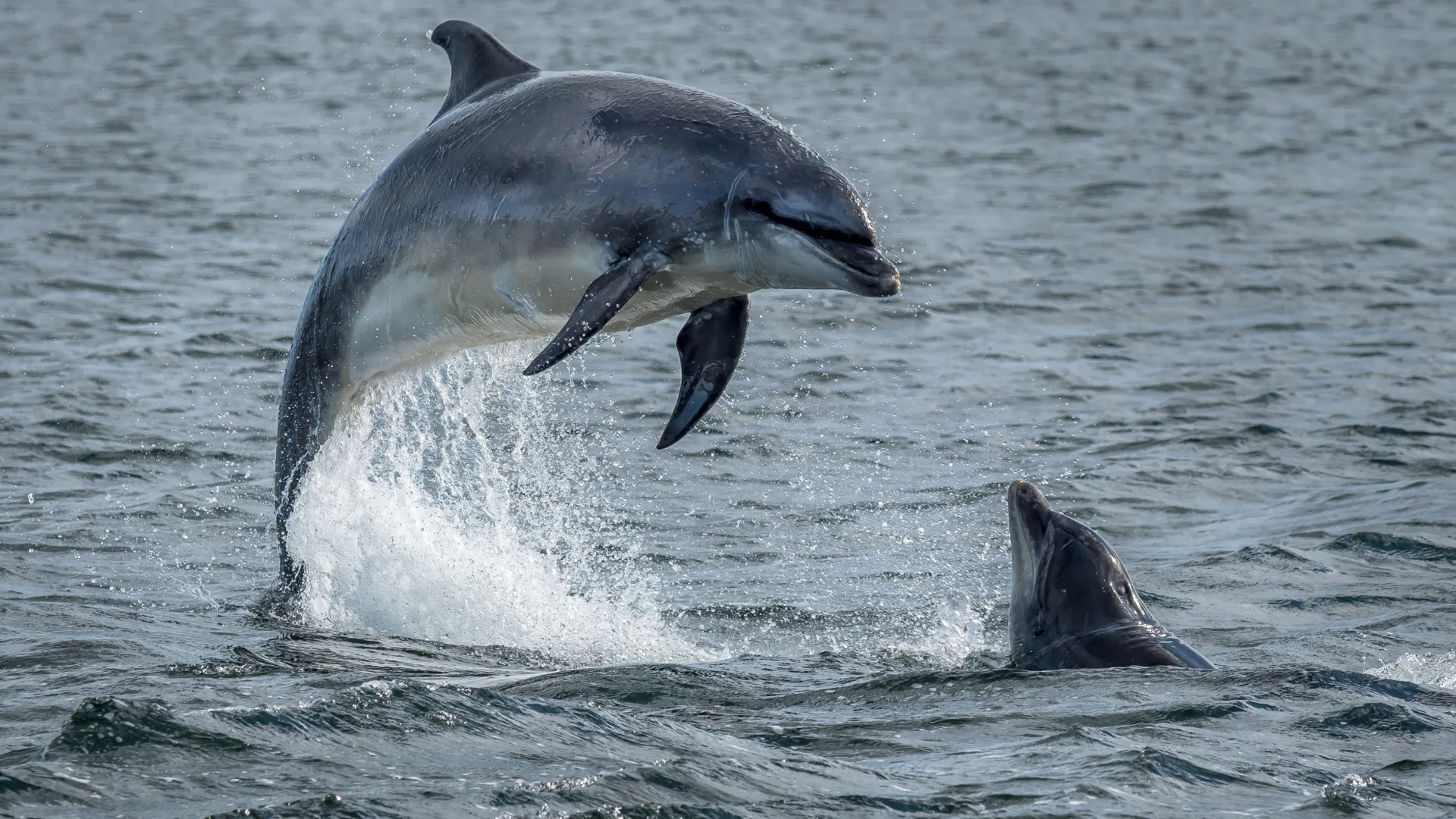
Come and stand at the back of our building in the harbour at Macduff and you can often see the dolphins just offshore. These are the standout stars of the Moray Firth and are the most northerly population of Bottlenose Dolphins in the world. They are, in other words, a very hardy pod! Around 200 individuals live in the Moray Firth year-round and the area is internationally designated as a “Special Area of Conservation” to help protect them. On calmer days you can sometimes see them from the shore as they breach (leap out of the water). Discover more about this fascinating species online or by paying a visit to the Whale and Dolphin Conservation Scottish Dolphin Centre which provides a free interactive exhibition.
You can spot Bottlenose Dolphins at:
- Macduff Harbour
- Chanonry Point (a 2-hour drive from Macduff) –one of the dolphins’ favourite feeding grounds.
- Lossiemouth
- Burghead
- Hopeman
- Spey Bay
When to spot them:
- From April to September – from the shore – especially during rising tides
- On calm, bright but not dazzling days
- All year round from a boat
Harbour Porpoises & Other Cetaceans (members of the whale and dolphin families)
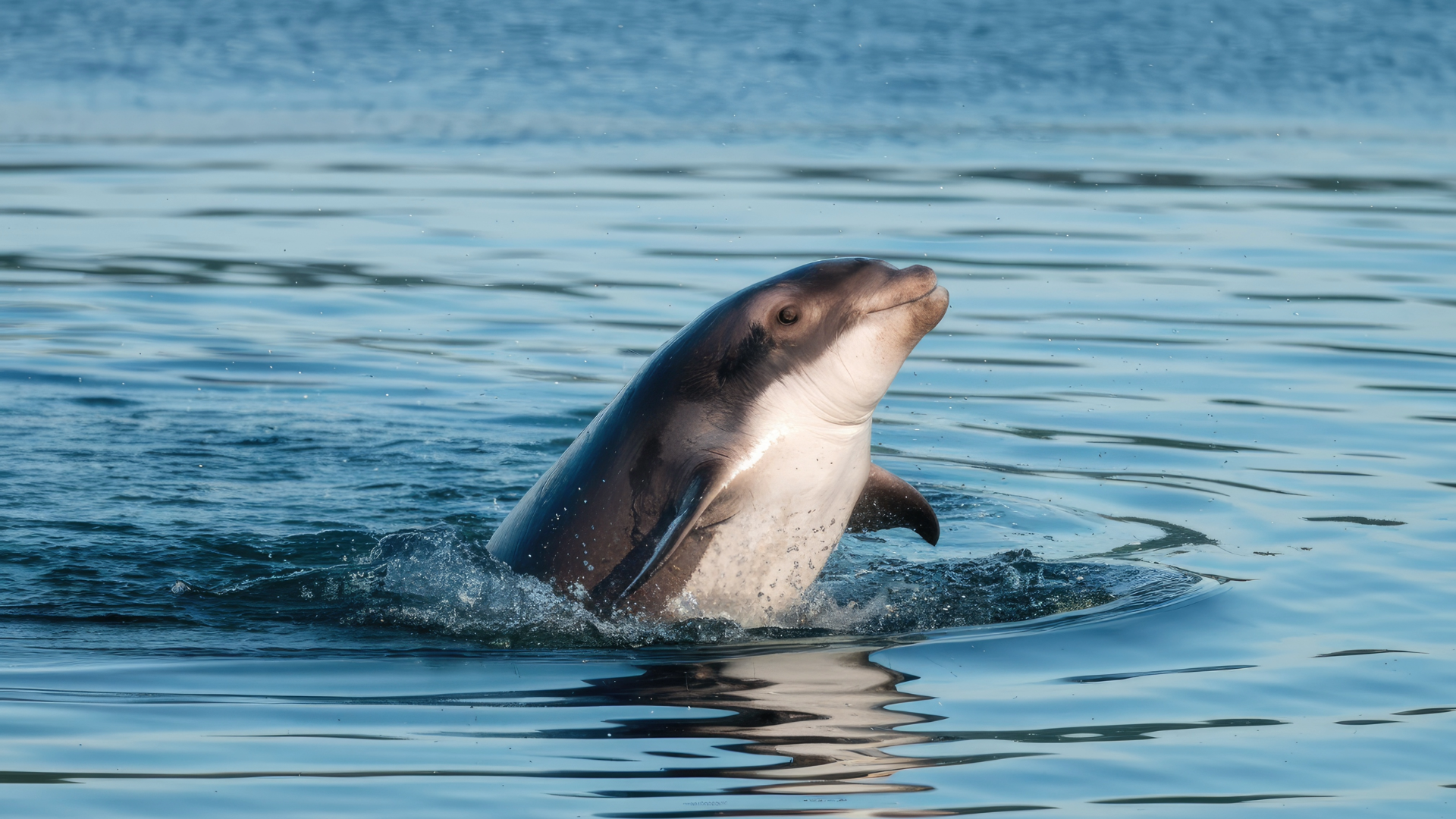
Whilst smaller and shyer than dolphins (about half the size), Harbour Porpoise can still be seen fairly regularly in the Moray Firth. They may be further offshore, so from headlands keep an eye out for their triangular shaped fins. In summer months they join other visitors like Common and White-beaked Dolphins and Minke and Killer Whales, although all of these are considered occasional visitors and are generally found in deeper offshore waters.
How to see other cetaceans:
- Look out along the outer Moray Firth or Aberdeenshire coastline (very occasional sightings)
- Take a special boat trip – Spey Bay and Inverness-area boat tours offer good opportunities
When to spot them:
- Spring through to early autumn
We work closely with the Cetacean Research & Rescue Unit (CRRU), a wonderful local charity dedicated to the understanding, conservation and protection of these fabulous creatures in Scottish waters. Here at Buccaneer we look after both of their RIBs (Rigid Inflatable Boats) – in fact we are fitting some lovely new Suzuki engines on one of them this winter.
On their website you can report a sighting 😊 or a stranding ☹ and find out all about their tireless work – with many fantastic opportunities for education (including school visits) and training (such as summer placements). Check out their YouTube channel too where they have lots of great videos, including Stories from the team – Life at CRRU and some of the Cutting-Edge Research being carried out.
Seals
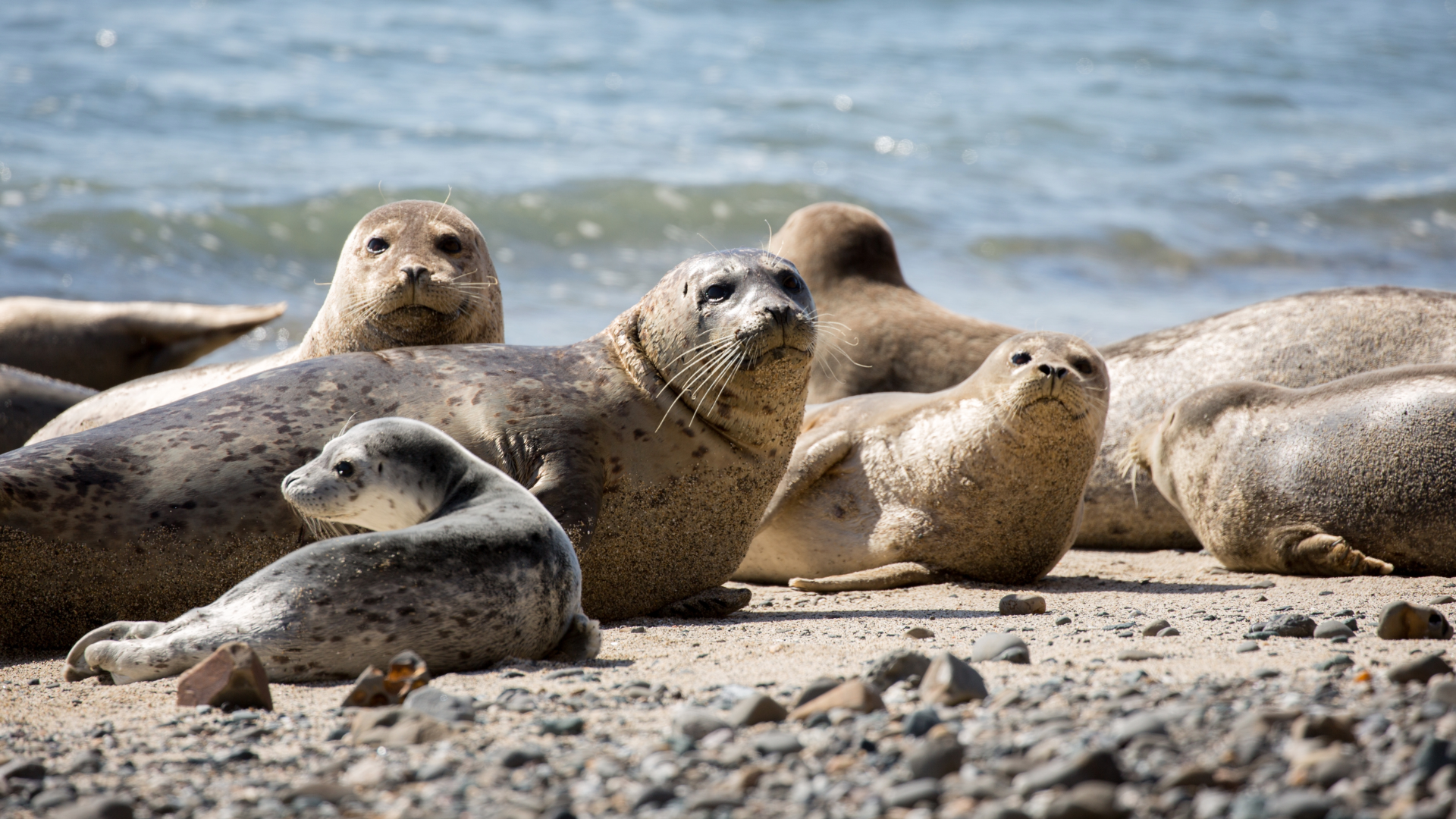
Common seals, also known as Harbour seals, are regularly seen around the Moray Firth. They haul out in groups on mudflats and quieter beaches, and you can often spot their round heads bobbing close to shore.
Grey seals are larger and more numerous, often seen along rockier coastlines and exposed outer-firth areas. They are also present year-round, with pups born in autumn on more secluded shores.
Where to spot them:
- sheltered bays, estuaries and sandbanks (Common seals)
- rocky coastlines and exposed outer-firth areas (Grey Seals)
- Port Gordon to Buckie, including tidal zones near Macduff’s west beaches
- Moray Council sometimes highlight local seal colonies at low tide
When to spot them:
- All year-round and hauled out at low tide. Common seal pups are born early summer, Grey seals pup in the autumn on more secluded shores.
Intertidal Life: Starfish, Crabs & Kelp
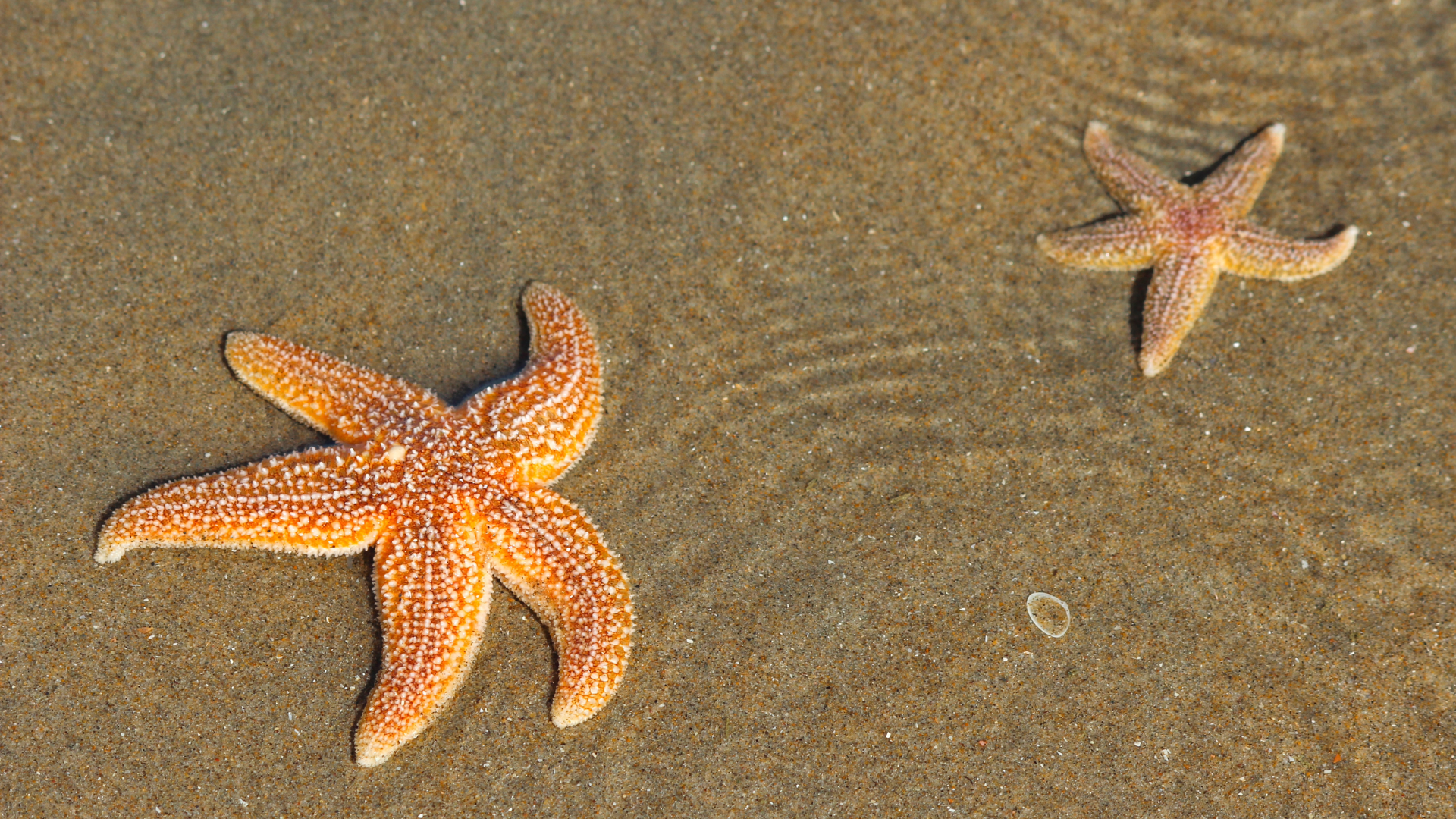
At low tide, Macduff’s rocky shorelines come alive. Look for starfish, hermit crabs, periwinkles, whelks and kelp reefs just off the shoreline.
Where to spot them:
- Around harbour edges, rock pools and under docks
- The Banff & Macduff Heritage Trail signposts these fascinating intertidal species
- Macduff Marine Aquarium displays local sea life including kelp forests and invertebrates – usually only seen when scuba diving
When to spot them in the wild:
- Low tide and in the morning is usually best
Seabirds at Troup Head & Alongside Cliffs
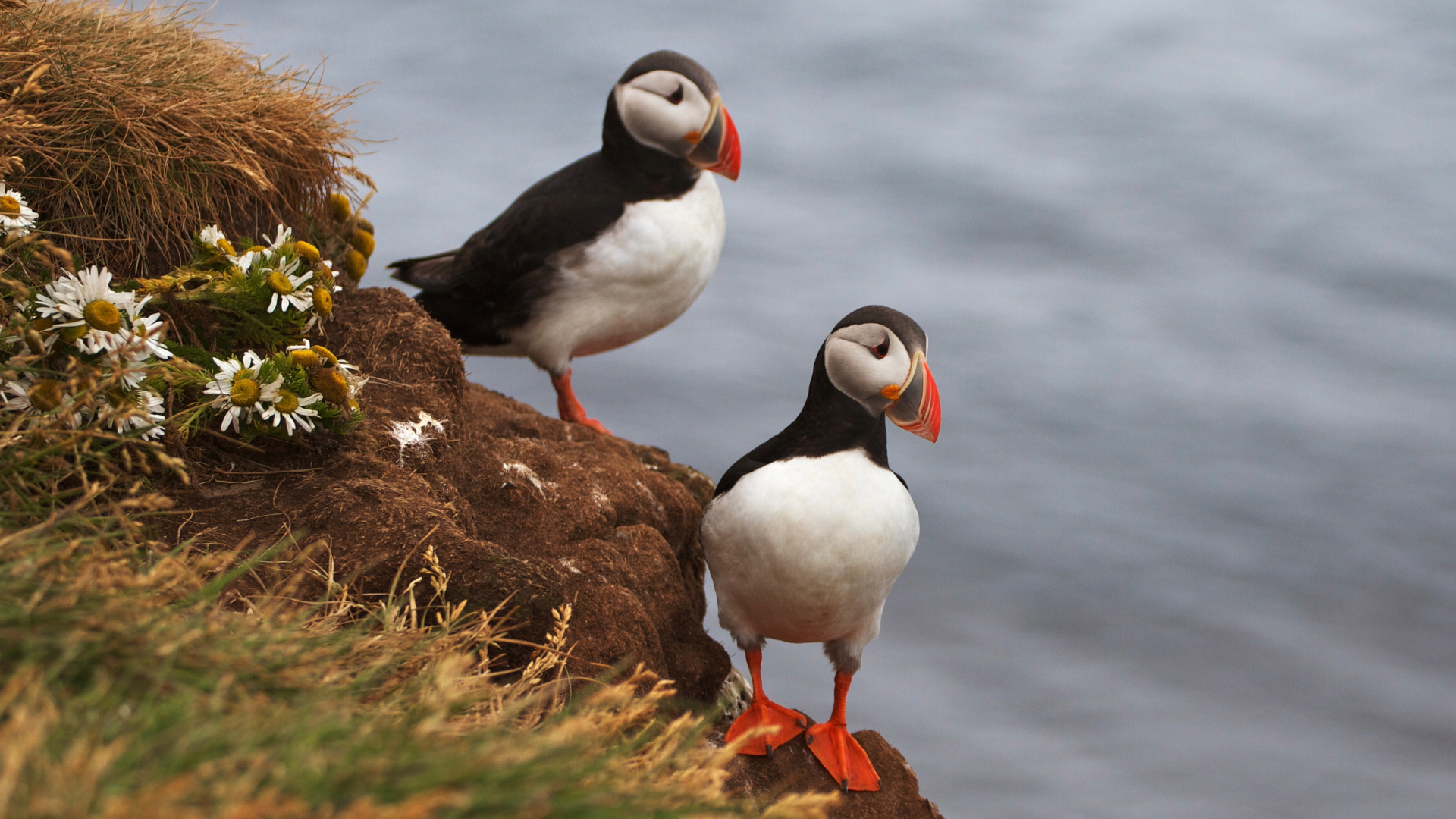
Troup Head near Macduff is one of the most notable seabird colonies in Scotland, home to the country’s only mainland gannet colony, where thousands of Gannets nest on the cliffs. The surrounding headland also hosts major breeding populations of Puffins, Fulmars, Guillemots, Razorbills and Kittiwakes, making it one of the most spectacular and easy-to-view seabird sites during the spring/summer season.
How to see them:
- Take a boat cruise from Macduff along the Moray Firth to Troup Head
- Also visible from the coast on clear days
When to spot them:
- Peak viewing from May to August
Ospreys, Waders & Other Birds
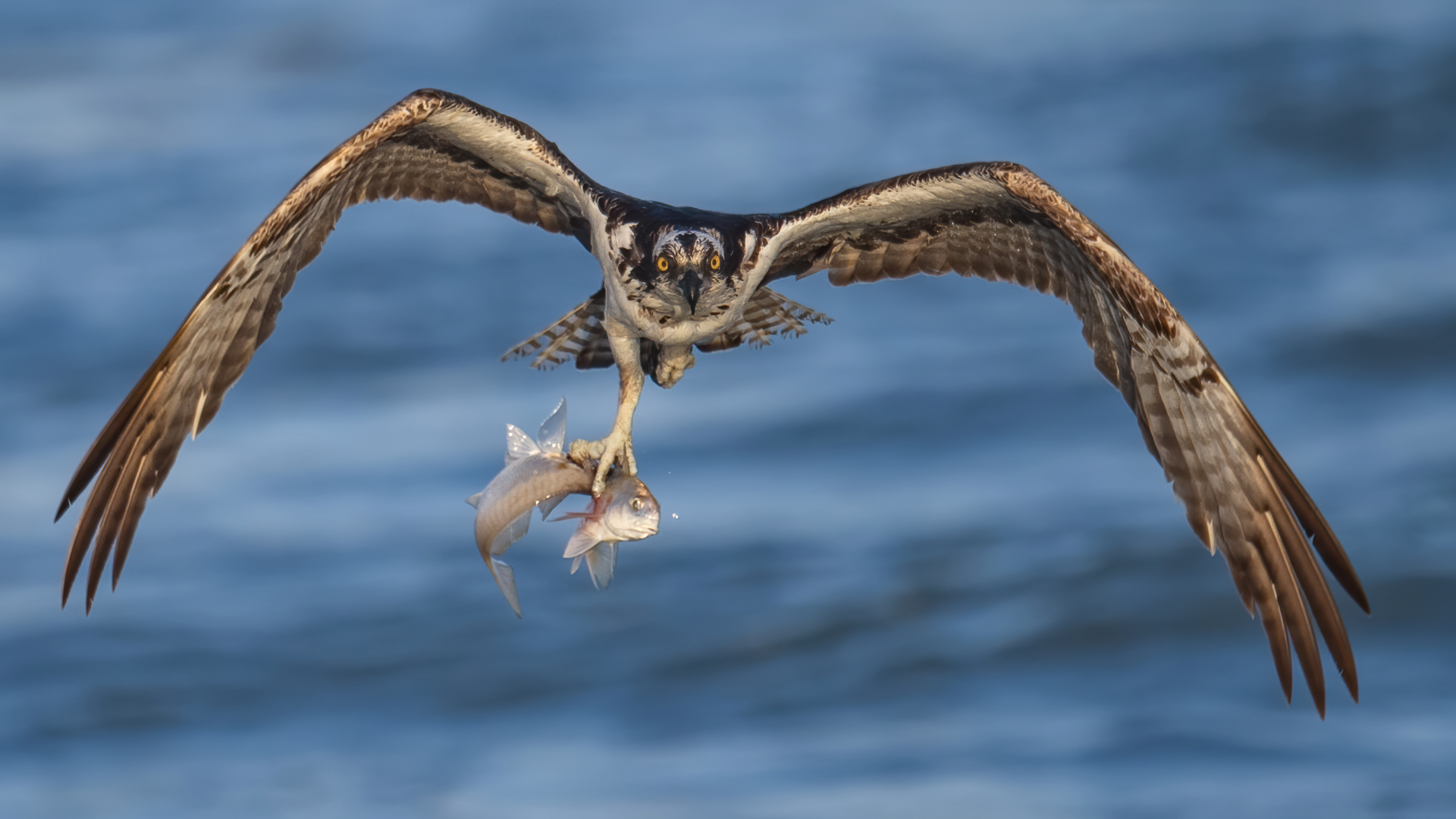
Osprey, waders, and other coastal birds are regularly seen around the Moray Firth, with Oystercatcher, Curlew, Redshank and Dunlin feeding on mudflats and shorelines – especially at places like Spey Bay – while Osprey return each April to September to hunt for fish along the estuaries and coastal shallows.
Where to spot them:
- Spey Bay and the mouth of the River Spey
- On local boat tours departing from Macduff
When to spot them:
- April to September
Your Wildlife Spotting Guide
We’ve put together a handy wildlife spotting guide with key details about where and when to see each species. Perfect for planning a family trip or just keeping in your backpack! Pick one up in our shop or download your copy here.
Getting the Most from Your Wildlife Spotting Trip
- Exploring the shore at low tide offers the best chance to spot intertidal wildlife, as the receding water exposes creatures that usually remain hidden beneath the waves.
- Bring binoculars or a zoom lens, especially helpful for viewing cetaceans and seabirds.
- For cetaceans, choose calm, clear days and a mid-rising tide when dolphins like to feed.
- Respect wildlife, keep your distance and try to minimise any disturbance. Whale and Dolphin Conversation offer hints on how to spot dolphins in the wild and tips for responsible dolphin watching.
- Look for tour operators who are signed up to The WiSe Scheme, a certification programme promoting Wildlife Safe (WiSe) practices in marine wildlife tourism. A range of tours operate from Macduff Harbour.
Adjusting for the Seasons and Local Tips
Wildlife don’t follow exact dates, and every year is a little different. Puffins might arrive early, dolphins could be more active on certain tides, or seals may relocate themselves to a new area.
If you want the most accurate info, just ask! Local skippers, our fishing community and the team at Buccaneer Marine are often the first to know what’s happening along the coast.
Pop in and we’ll be happy to share what’s been spotted lately.
Plan Smart, Spot More with Help from Buccaneer
Before heading out, check your tide charts! yUu can find accurate tide times for Macduff here:
We also stock binoculars, VHF radios, weatherproof gear and safety essentials at our chandlery in Macduff Harbour.
Need help planning your route or knowing what to bring for a dolphin trip?
Whether you’re exploring the coast or just hoping for a glimpse of something magical from shore, we’re always on hand to help you make the most of your time with nature.